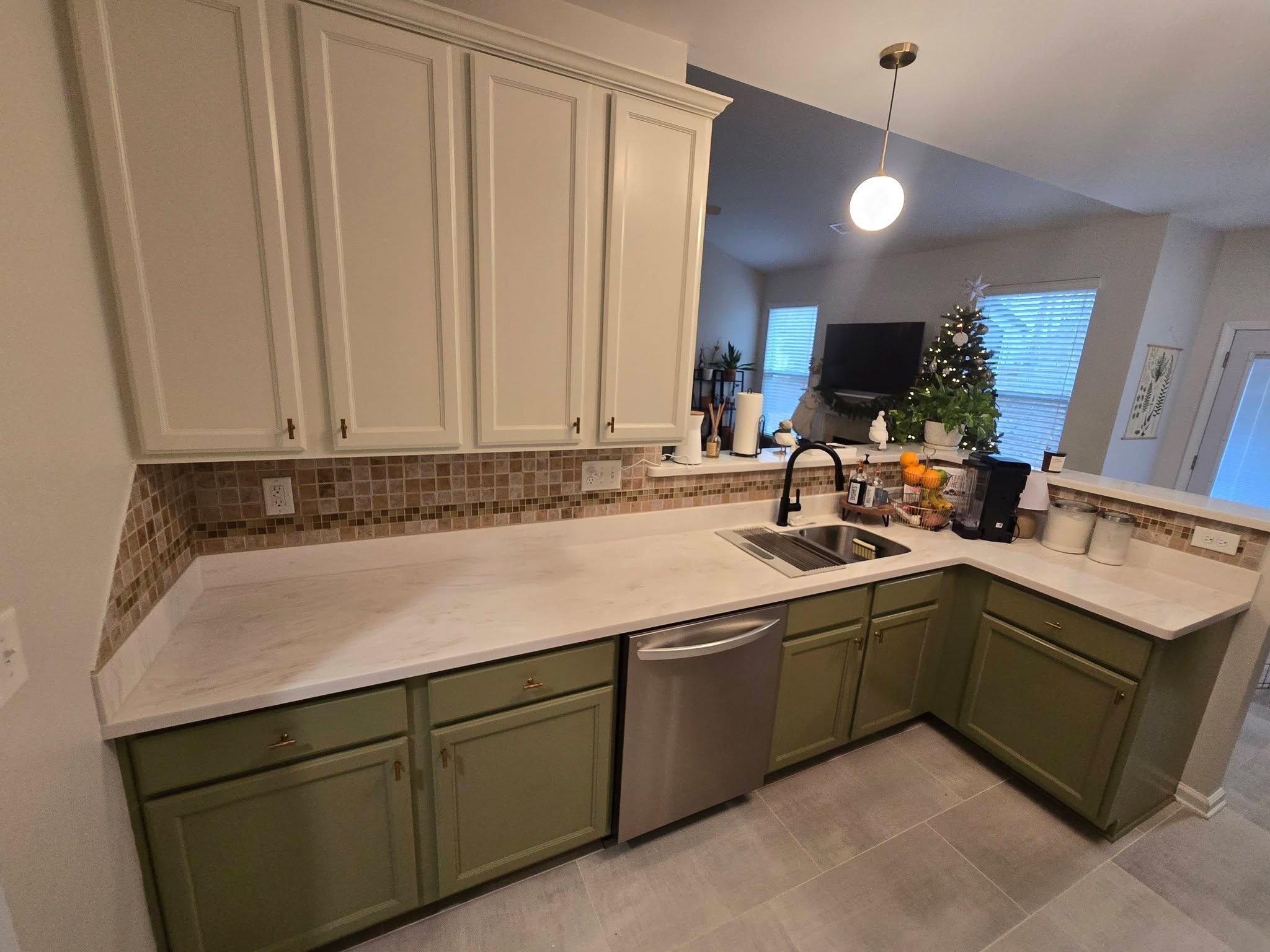
The Art of Color Transition: Seamless Palette Changes for Open Floor Concepts Jul 01, 2026
When working with open floor plans, the continuity of color plays a crucial role in maintaining visual flow. Open spaces lack the separation walls that are often used to define rooms, so selecting a color palette that makes each area distinct yet unified is an art worth mastering.
Before diving into colors, consider what kind of mood you want each space to convey. For living areas, calming tones like soft beige or pale grey can create a welcoming atmosphere. In contrast, bold and vibrant colors might be ideal for a dining area where lively conversations take place. Our professional painters recommend sticking to neutral or pastel colors as base shades, as these hues blend seamlessly and allow for flexibility when introducing accent colors.
One effective strategy for achieving a harmonious color transition is the monochromatic approach. This involves selecting shades from the same color family and applying them throughout the space. For example, painting the walls a light grey and using varying darker tones for accents can tie the room together beautifully. This technique ensures continuity without appearing monotonous.
Another sophisticated method involves using a complementary color scheme. Choose two colors opposite each other on the color wheel and incorporate them in different degrees across your space. Perhaps a muted blue paired with soft orange accents will add depth without overpowering the overall aesthetic. At B & B Handyman Services LLC, our team can guide you through this process, making sure the different areas complement each other while standing out on their own.
Textures and finishes also play an integral role in your color transition strategy. Matte finishes lend a contemporary look and can enhance softer colors, while satin or semi-gloss finishes are excellent for highlighting vibrant shades. These finishes reflect light differently, adding dimension and interest to your open space.
When taking on a painting project, natural lighting must be considered. Throughout the day, sunlight changes, altering the appearance of paint colors. Test different shades on your walls and observe them in various lighting conditions. This can prevent unexpected results and ensure that your palette achieves the desired effect both day and night.
Lastly, furniture and décor are critical elements in your color transition journey. Select pieces that either match or complement the wall colors, creating an impeccable flow between spaces. Think of a neutral couch in the living area, accented with colorful, patterned cushions that echo the dining room hues—the synergy between furniture and wall color creates a well-balanced, inviting home.
In conclusion, harmonizing an open floor concept with a seamless color transition requires careful planning and execution. By strategically selecting your paint colors, understanding lighting effects, and considering finishes and décor, you can beautifully unite spaces while maintaining unique identities for each area. At B & B Handyman Services LLC, we’re passionate about helping our clients discover the perfect palette that reflects their style and enhances their living environment. Contact us today to bring your vision of seamless color transitions to life.
/filters:no_upscale()/filters:format(webp)/media/8c9ce22a-063d-4218-a12c-8687d674c7fc.png)